[SAVE TREES,WATER,BIRDS,ANIMALS AND OUR BEAUTIFUL ENVIRONMENT🙏🙏GROW ONE TREE ON YOUR EVERY BIRTHDAY OF YOUR LIFE 🙏🙏]
last updated: September,2026
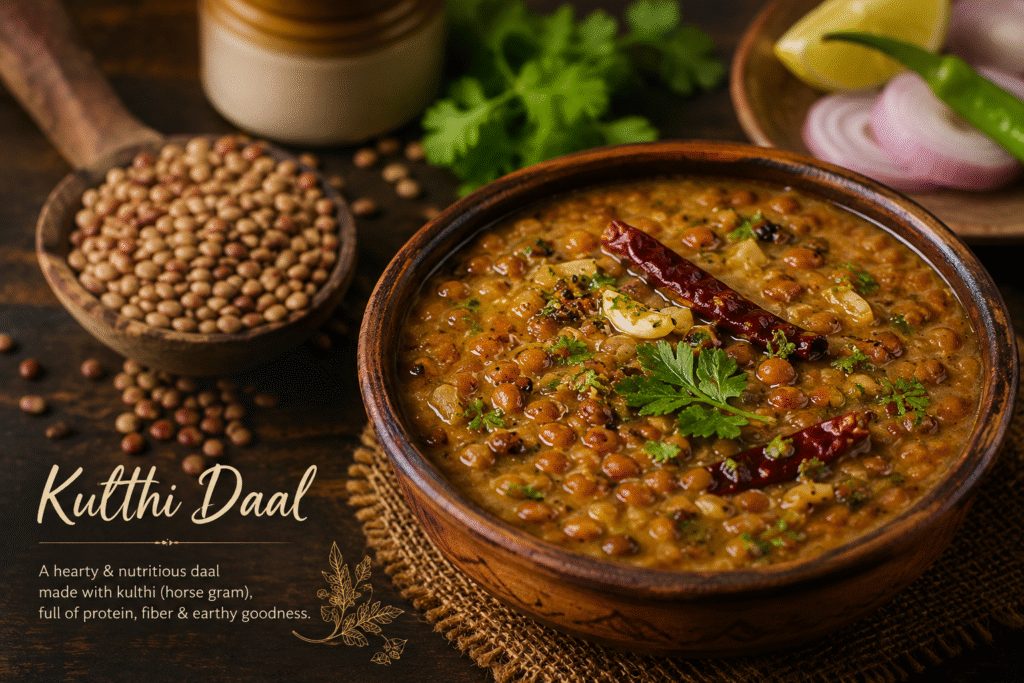
KULTHI DAAL
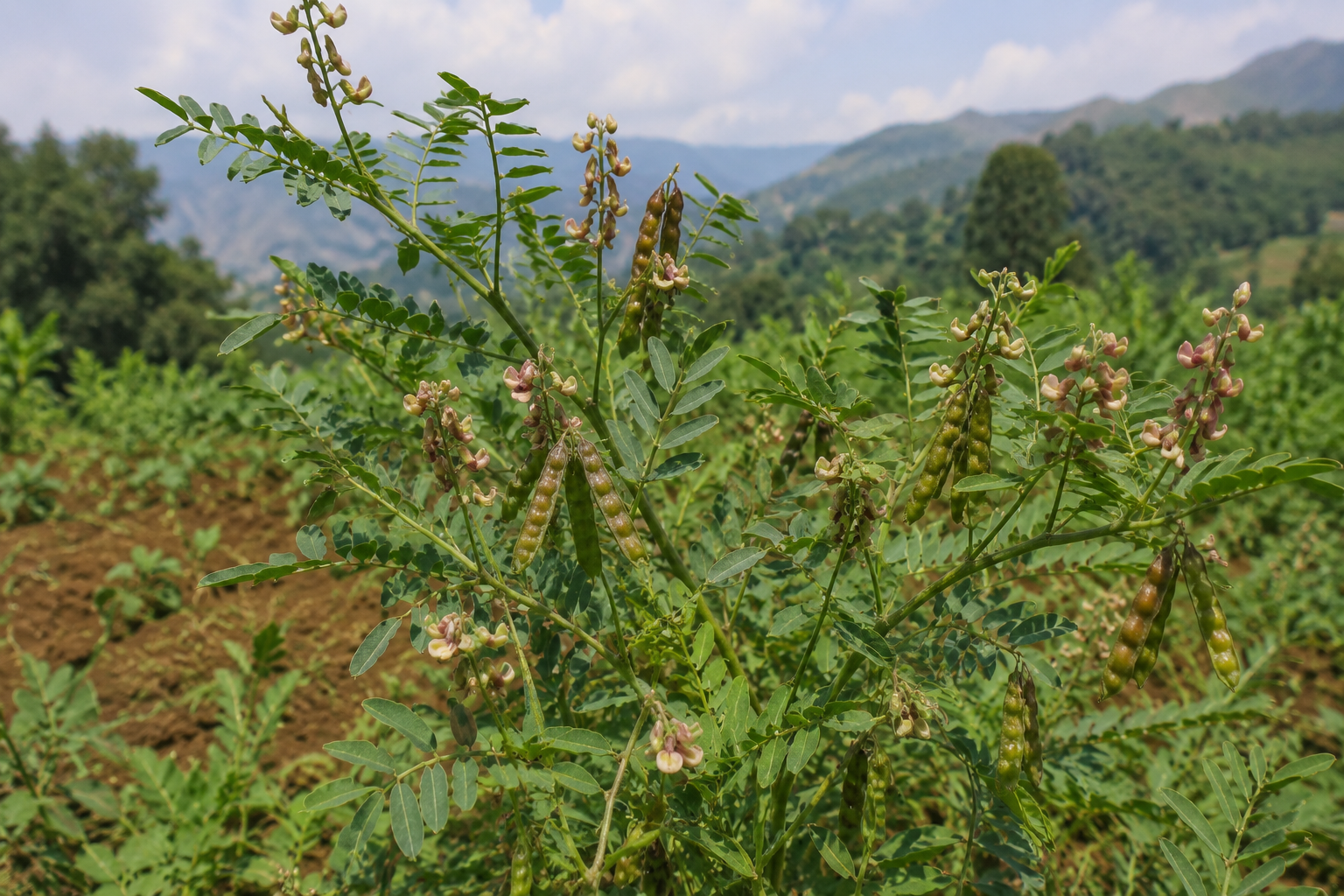
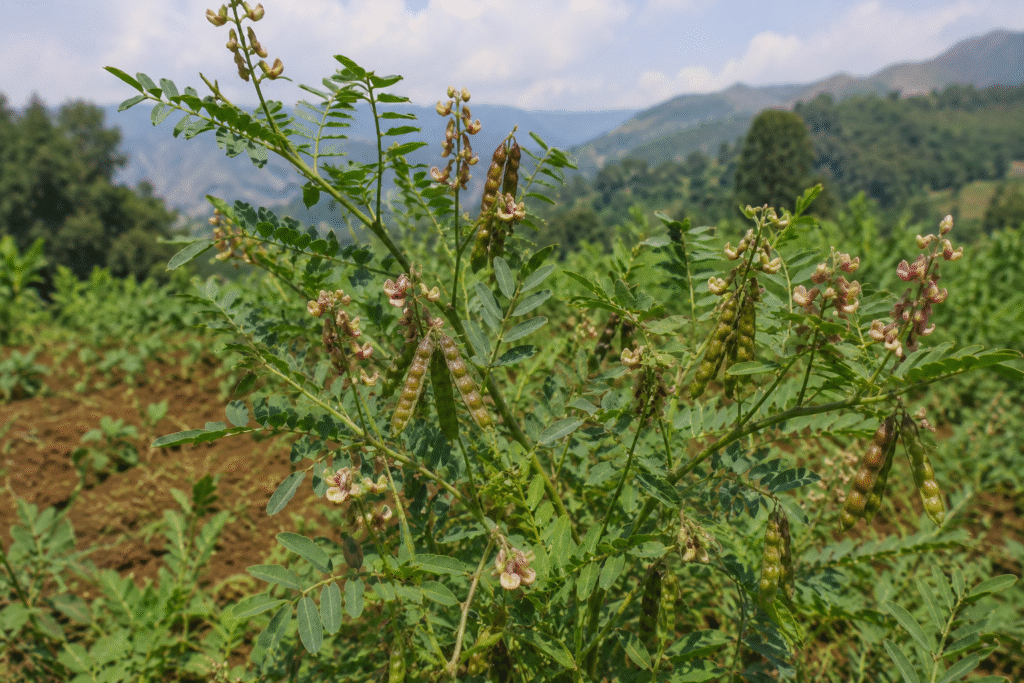
Kulthi is also known as kulathya in Sanskrit. Its botanical name is Macrotyloma unifloram. It is also called Horse gram in English.
FOUND
Found abundantly in the south Bharat , areas of Chhotanagpur and some places of Odisha. Mostly grown in south Bhartiya region because it is suitable to grow in dry climate.
Here, horse gram is an important crop.
TEXTURE AND TASTES
1 .It looks flat like Toor/ Arhar daal.
2 . Colour is dark brown
3. It tastes similar to burnt Masoor daal. After cooking Kulthi the colour appears muddy.
PRODUCTION
It is produced in the Rainy season
CHARACTERS
1 . It is very healthy
2 . Sweet in taste
3 . It is a natural hunger stimulant
4 . Removes different types of eyes related problems
5 . It is very light and Easily digestible
6 . Can also be eaten by sick person because of easy digestive nature
7 . Kulthi water is also very good for health
8 . Improves digestion
9 . Removes/ stops enlargement of spleen ( splenomegaly)
10 . It’s nature is warm and mostly consumed in the winter season but can be eaten in summer also . It depends on the digestive issues with people.
Vitamins and minerals present in horse gram
Vitamin A ,Vitamin B, Phosphorus, Carbohydrates etc are abundantly present in it.
BENEFITS KULTHI DAAL IN AYURVEDA
1 . Removes/ Stops abnormal vaginal discharge ( Leucorrhoea) in the females.
The horse gram daal should be boiled in water and can be consumed. The leftover horse gram can be used for making daal.
Or,
It can be soaked overnight and can be taken. It is very effective. Any method of consumption of gahat \horse gram is best for our health.
Or,
Kulthi daal khichdi can also be consumed with one teaspoon of ghee. Ghee is optional but it enhances the taste of the khichadi.
2 . Horse gram is used in the treatment of piles ( especially in bleeding piles).
Kulthi kanji is consumed in the piles.
But anyone who has a problem with acidity can avoid it. They can take normal Kulthi water.
3 . Removes obesity. 100 gram of horse gram daal water can be taken in the morning.
It removes excess fat accumulation in the body. Therefore it helps in weight loss.
4 . Stops excess sweating in the summer. Anyone who has excess sweating can use the Kulthi powder. This horse gram powder is rubbed in the body and left for some time and washed. It removes the sweating related problems even bad stink arises from sweating.
5 . Helpful in vaat jwar. Example – Neurological problems, Rheumatism, Arthritis, Sciatica etc.
60 grams of horse gram should be boiled in the water. Whenever the water becomes half , add half teaspoon of Sonth powder and sendha salt.
6 . It is useful in the treatment of Diarrhea. In the leaves of Kulthi, Kattha is added and given to the person.
7 . horse gram water is also given to the mother.
After the birth of a child. It clears menstrual problems.
8 . Normal lady can also take Kulthi water in menstrual cycle related problems
9 . It removes the stone from the body. Example – it is helpful in removing kidney stones, Urinary stones or liver stones etc.
KULTHI DAAL
CLIMATE
Dry climatic conditions are necessary .
because it is an extremely drought resistant crop.
SOIL TYPES
Laterite soil is needed.
The soil should be free from alkalinity
BREEDS OF HORSE GRAM IN DIFFERENT STATES
Indira Kulthi
Pratap Kulthi
Gahat kulthi
Palem Kulthi
Pattambi Kulthi etc.
Growing season
It is grown in August – November for eating.
Also grown in June- August as the fodder to feed the cattle . It is especially fed to horses. Therefore it is called horsegram.
Previously it was produced mostly for fodder . But as the benefits were known ,it is also consumed by humans.
Pests attacked
Trichoderma viridis is a type of fungi which attacks the crops.. Therefore Fungicide is necessary.
Proper irrigation is also mandatory before the stage of nodule formation in the plant.
Weeds management is also necessary for proper development of crops.
DISHES PREPARED FROM THE KULTHI
1 . Used in Rasam
2 . Making daal
3 . It is used in preparation of mixture ( Daalmot) . Which are eaten as snacks in Most of the Bhartiya houses.
What to Avoid after eating horse gram?
The person who is consuming Ashwagandha should avoid horse gram. After one week of Ashwagandha, you should eat horse gram . In other words, the gap between Ashwagandha and horse gram should be one week.
WRITTEN BY :- SONI SHARMA.
Please read my other religious and philosophy blog…… rudrasharma.com
DISCLAIMER:- The article is for educational and information purposes only.
Sources:- Arogya Anka, Ashtanhridayam, Vikaspedia( Government of India).
FAQ….
1 . Does Kulthi Dal need soaking before cooking?
Ans:- Yes, soaking Daal for 6–8 hours before cooking can help reduce cooking time and improve digestibility.
2 . What are the nutrients present in Kulthi Dal?
Ans:- It contains protein, dietary fiber, iron, calcium, phosphorus, antioxidants, and essential vitamins and minerals.
3 . Is Kulthi Dal beneficial for kidney stones?
Ans:- Traditionally, it has been used in Ayurveda to support urinary health. However, people with kidney stones should consult a healthcare professional before relying on it for treatment.
4 . Can people with diabetes eat Kulthi Dal?
Ans:- It has a low glycemic index and contains fiber, which may help maintain healthy blood sugar levels. But it is highly recommended that Individuals with diabetes should seek personalized advice from their healthcare provider for their safety of health.
5 . What are the other names of Kulthi Dal?
Ans:- It is known by different names across India, such as Horse Gram (English), Kulith (Marathi), Kollu (Tamil), Hurali (Kannada), and Ulavalu (Telugu), Gahat ( Uttarakhand) etc.